
Oral Histories
A growing archive of voices preserving the living memory of each city. Explore, listen, and connect with history.
Poland
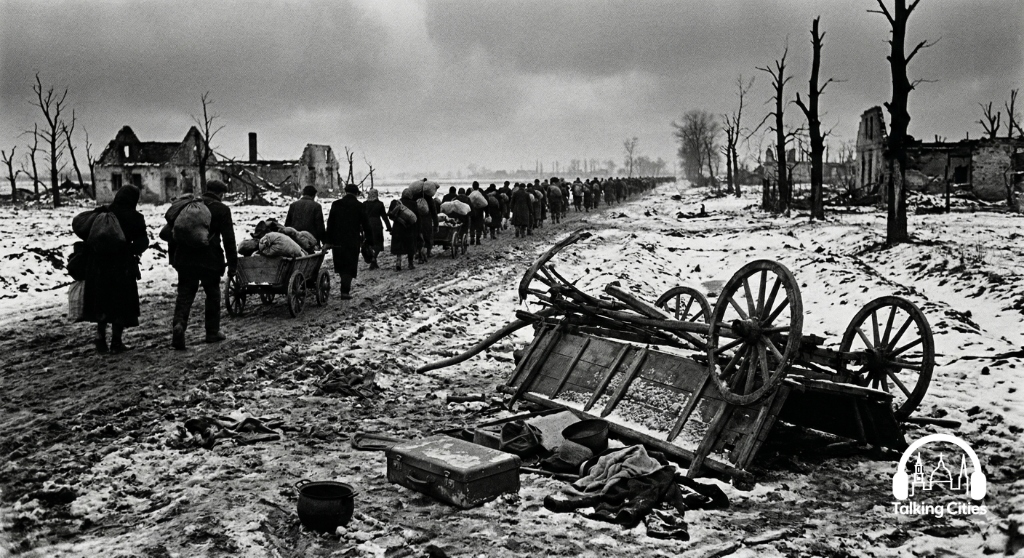
Roots in Foreign Land
In the complex tapestry of global urban history, few phenomena are as radical as the redesign of Polish borders after World War II. It was not simply a cartographic adjustment; it was a massive social engineering operation that displaced millions of people and forced entire cities to change their language, religion, and soul. What occurred between 1944 and 1960 in the so-called 'Recovered Territories' is a fundamental case study for understanding how urban identity is constructed—and imposed—against the trauma of uprooting.
Read Full Story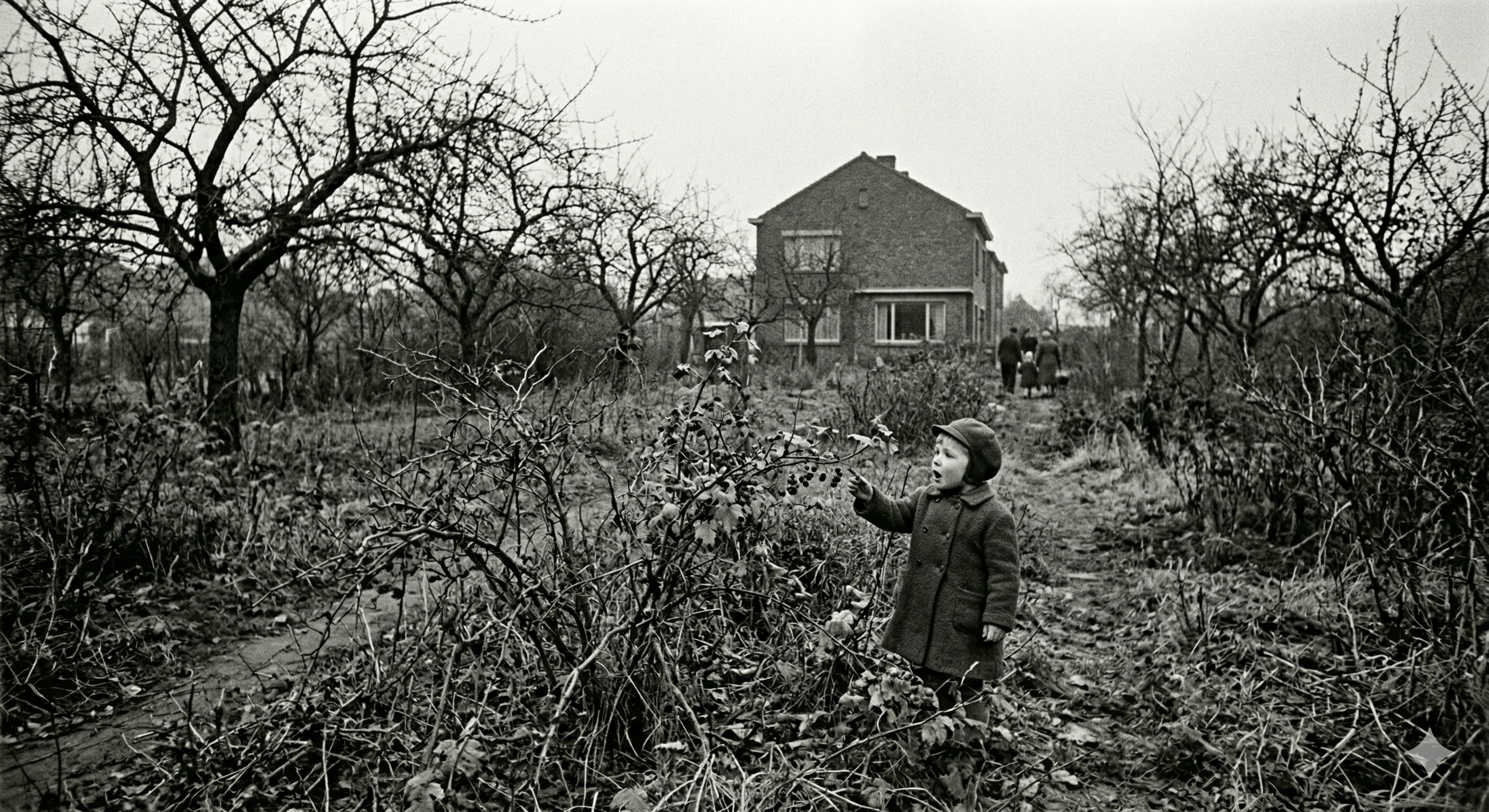
From animal cars to nation-building
Al finalizar la Segunda Guerra Mundial, Europa no solo estaba en ruinas, sino que estaba siendo redibujada. Tras las conferencias de Yalta y Potsdam, las potencias vencedoras decidieron desplazar las fronteras de la Unión Soviética hacia el oeste, lo que provocó uno de los movimientos forzados de población más grandes de la historia moderna. Se estima que entre 1.5 y 2 millones de polacos fueron "repatriados" desde los antiguos territorios orientales de Polonia (Kresy) hacia los nuevos "Territorios Recuperados" que antes pertenecían a Alemania.
Read Full StoryZielona Góra
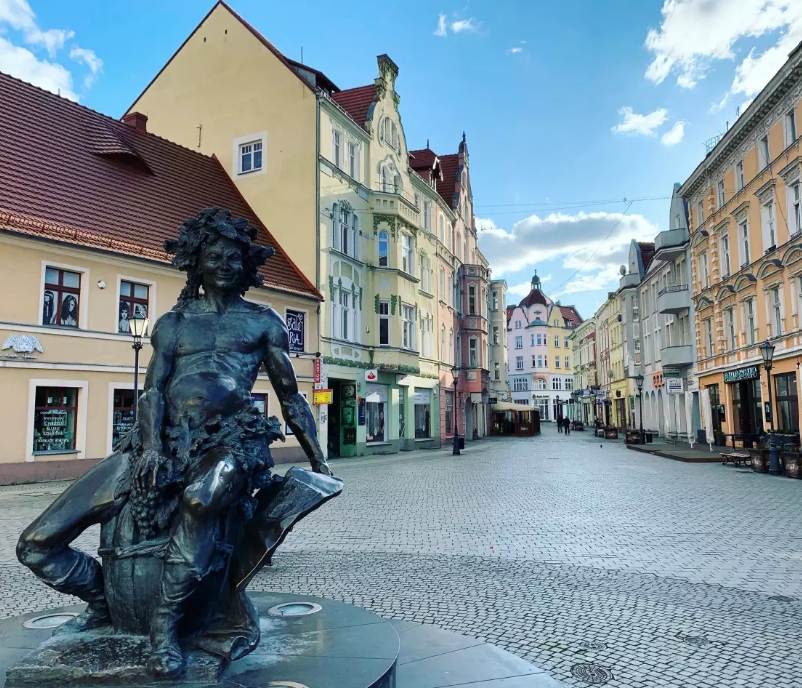
Resistance in No Man's Land: Zielona Góra (1945–1989)
Zielona Góra was neither Warsaw nor Kraków. In these “Recovered Territories,” resistance against communism took on a particular nuance, marked by the struggle of a society that first had to learn how to be a society. Through declassified documents and local chronicles, we reconstruct how this city—initially atomized and lacking traditional elites—forged its own rebellious identity in the face of totalitarianism.
Read Full Story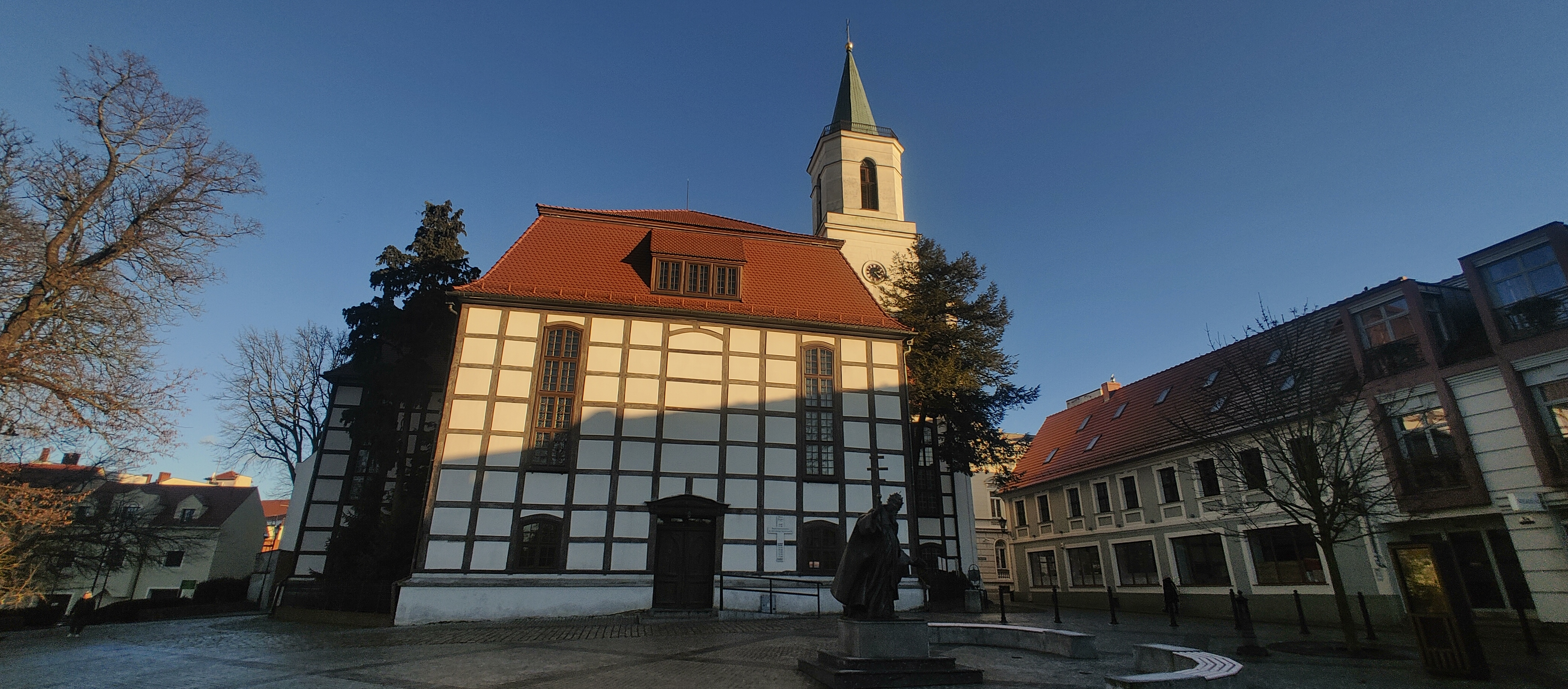
The Hidden Garden Behind the Bricks: The Double Life of the Church of Our Lady of Częstochowa
If you stroll through the Old Town of Zielona Góra, it is impossible to miss. Along with the Town Hall and the Co-Cathedral, its tower defines the city's skyline. But the Church of Our Lady of Częstochowa is much more than just a pretty postcard; it is a survivor with a fascinating identity crisis. At first glance, it looks like just another Catholic church in devout Poland. But if you get close to its walls and touch the structure, you will notice something strange: it isn't made of solid stone. It is a giant of wood and brick that hides a Prussian secret in its heart.
Read Full Story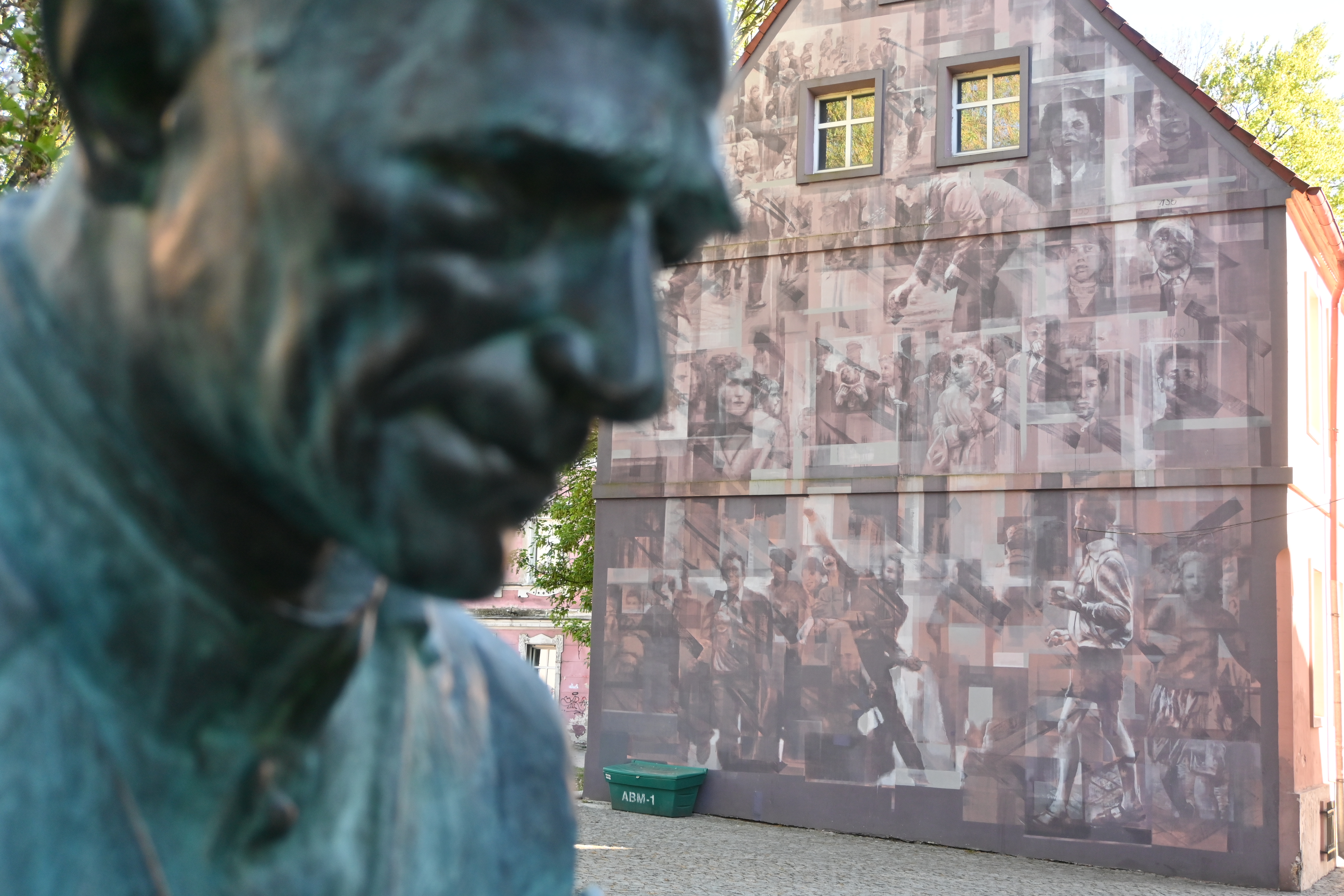
The Forgotten May: When Zielona Góra vanished in tear gas.
By: Talking Cities Editorial Staff. Often, the history of Polish resistance against communism is narrated as a chronological leap. It jumps from the machine guns turned against workers and students in the streets of Poznań in June 1956 straight to the shipyard strikes in Gdańsk in 1970. However, within that fourteen-year vacuum lies a deep and frequently ignored rift. The defense of the Catholic House (Dom Katolicki) was an event that took place on May 30, 1960, in Zielona Góra—a city located in western Poland, about five hours from Warsaw. At the time, it had a population of just over 54,000 inhabitants. This historic moment was not a workers' strike for bread, but something more complex: a fierce defense of civil autonomy against a State attempting to claim total control over social life.
Read Full Story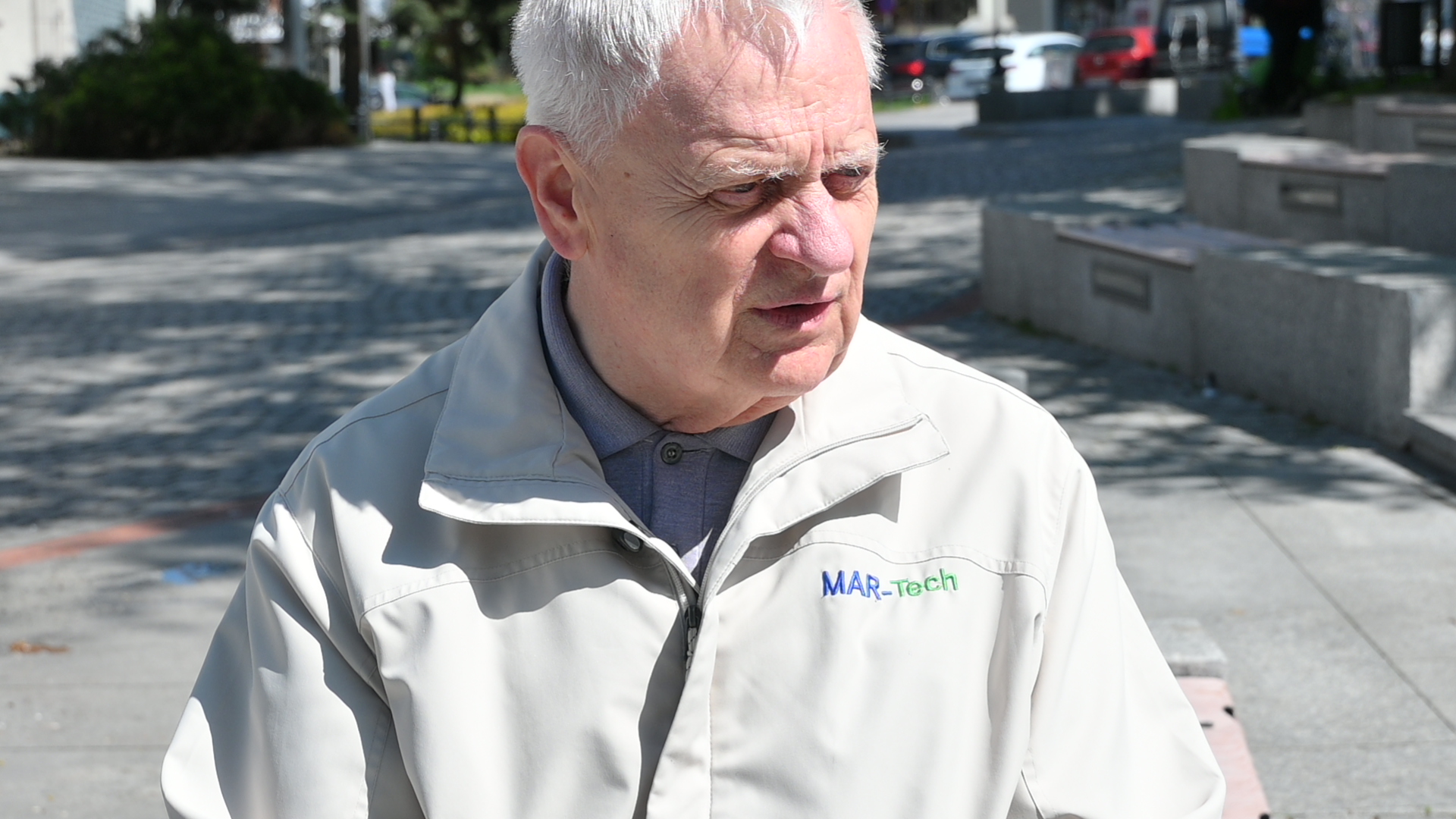
Stefan Mikuła, the boy who witnessed history and defied the regime
Born in 1946 in a Zielona Góra in the midst of post-war reconstruction, Stefan Mikuła was a direct witness to the great transformation of the Recovered Territories. His childhood was marked by the arrival of settlers from the Eastern Borderlands, by the reconstruction of a city that had been German and was becoming Polish, and by the silent tension between the authorities and the Church. But it was on May 30, 1960, during the grand celebration of the 1000th anniversary of the Baptism of Poland, that Stefan—still a child—was caught up in events that would define him forever: the so-called Events of the Catholic House in Zielona Góra, a clash between the faithful and the militia that marked a before and after in the history of the city.
Read Full Story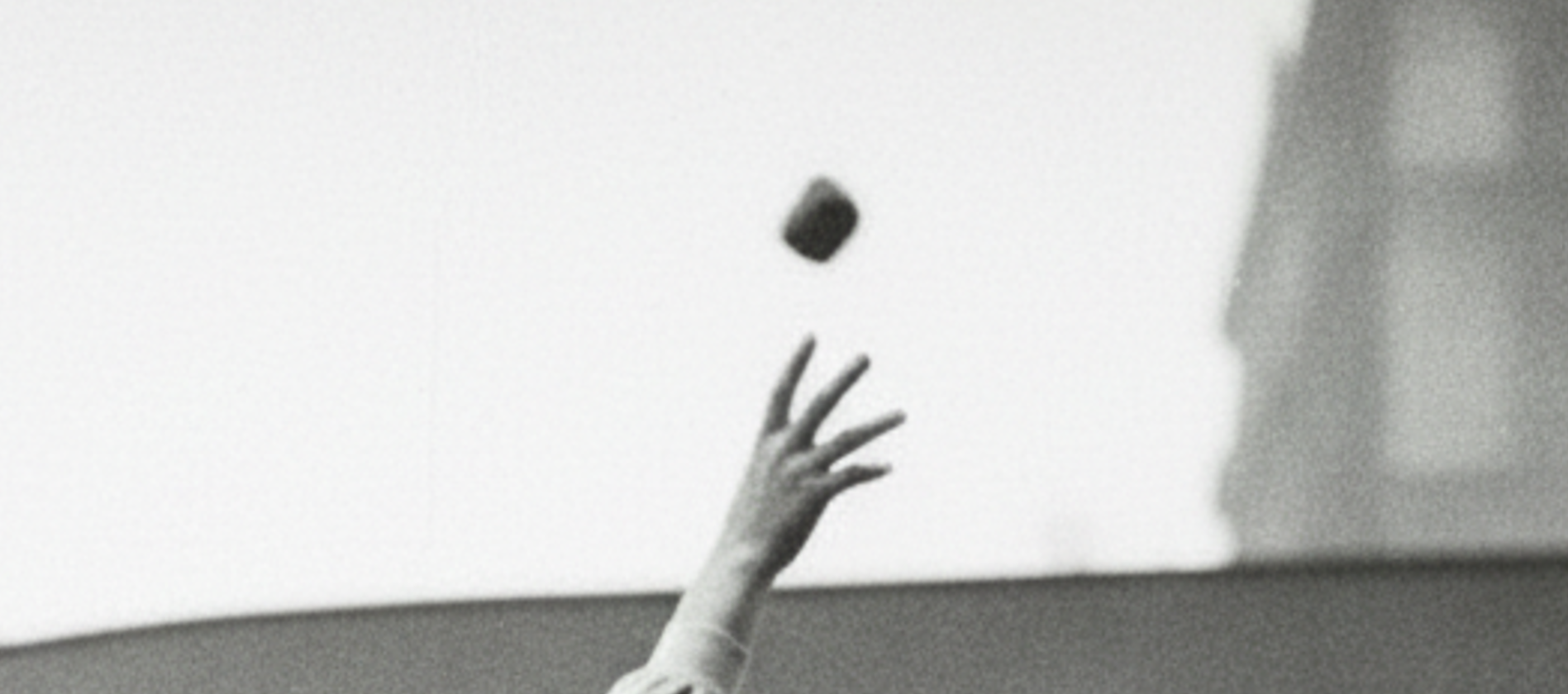
Terror Disguised in Civilian Clothes
An intimate testimony from May 30, 1960. For Bronisława Raszkiewicz, state violence was not an abstraction, but a painful echo of her own past. Having survived the trauma of uprooting in 1946, when she crossed the country in cattle cars into the unknown, she believed she had found a definitive refuge to build her life. However, on Sunday, May 30, 1960, upon stepping off the bus on Kasprowicza Street in Zielona Góra, she came face to face with a new nightmare: thousands of citizens defending the Catholic House from the siege of the communist regime. This building, protected by Father Kazimierz Michalski, was the social and spiritual pillar of the community—a vital space that the authorities were determined to confiscate to silence faith and put an end to citizens' gatherings outside the Party's control.
Read Full Story