
The Silenced Scream That Awakened a Nation
Listen in
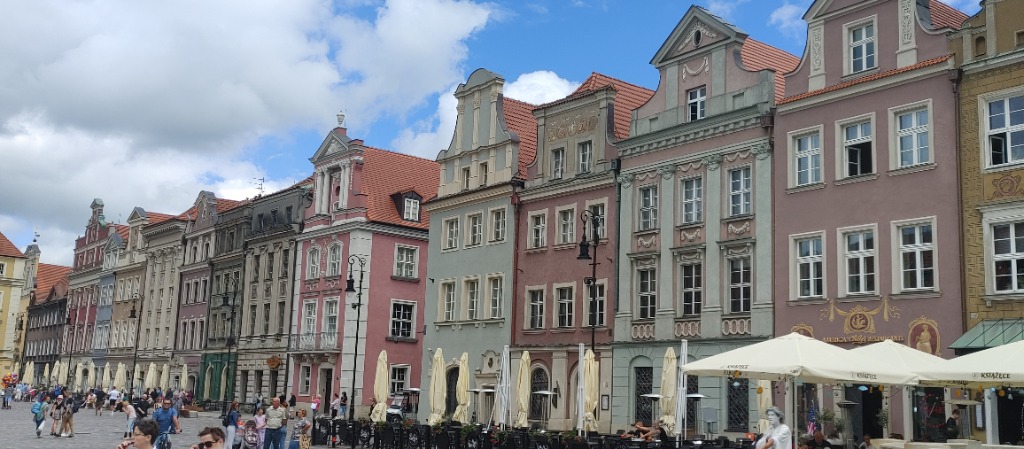
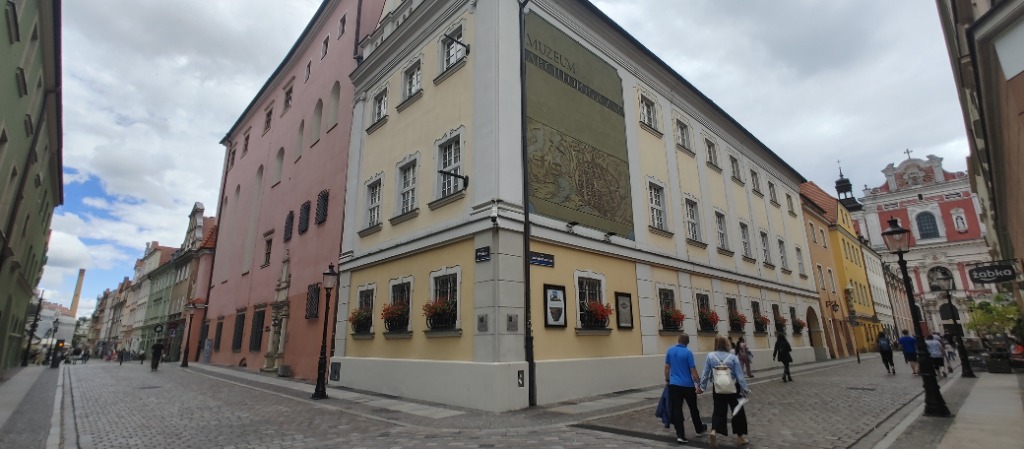
On the map of Polish dissent, Warsaw was the political brain and Kraków the spiritual heart. But Poznań was the nervous system that, after receiving the first electric shock in 1956, learned to resist with a unique blend of rage and pragmatism. In this city, historically marked by Prussian order and the ethos of “organic work,” the pavement of Mickiewicz Square holds not just the memory of a tragedy, but the history of how an entire society learned to organize in the shadows.
June 1956: The First Crack in the Curtain
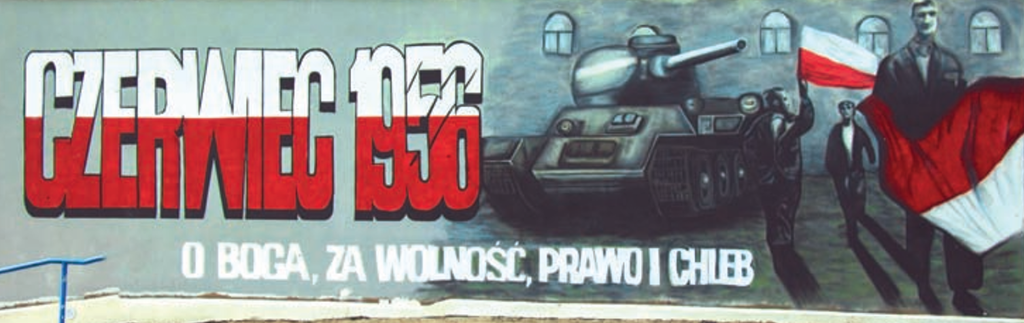
On June 28, 1956, at six in the morning, Poznań’s proverbial discipline shattered when workers at the H. Cegielski factories (then renamed Stalin Works) stopped their machinery under the slogan “Bread and Freedom.” What began as a strike became a regional insurrection. The regime sent 400 tanks and 10,000 soldiers. Among the victims was 13-year-old Romek Strzałkowski, the immortal symbol of executed innocence. This event destroyed the myth that communism represented the working class.
Aesthetics as a Political Nightmare
The Theatre of the Eighth Day (Teatr Ósmego Dnia) emerged from the student counterculture to become the aesthetic nightmare of the secret police (SB). Under the direction of visionaries like Lech Raczak and Ewa Wójciak, the group took theater into the streets and churches as an act of public accusation. The surveillance was so obsessive that it became artistic material: they created the play 'Teczki' (The Files) using the actual reports that informers had written about them, proving that the truth always finds a crack through which to escape.
The Dominican Bastion and Father Honoriusz
The Dominican monastery functioned as a static 'Flying University,' with Father Honoriusz Kowalczyk as a central figure. Lectures addressed the censored history of Poland not found in schools. Father Honoriusz paid the highest price: his death in 1983, under circumstances still debated, was seen by the city as a political assassination. During martial law, the church was a logistical center from which aid was distributed to the families of internees.
Poznań teaches us that resistance does not need to be loud to be unbreakable. It was here, between order and fury, that the silenced scream of workers ended up awakening the conscience of an entire nation.
Experience This Story On-Site
Walk the streets where this history unfolded with our GPS-guided audio tour.