
Resistance in No Man's Land: Zielona Góra (1945–1989)
Listen in
Zielona Góra was neither Warsaw nor Kraków. In these “Recovered Territories,” resistance against communism took on a particular nuance, marked by the struggle of a society that first had to learn how to be a society. Through declassified documents and local chronicles, we reconstruct how this city—initially atomized and lacking traditional elites—forged its own rebellious identity in the face of totalitarianism.
A Society Under Construction: The Generational Clash
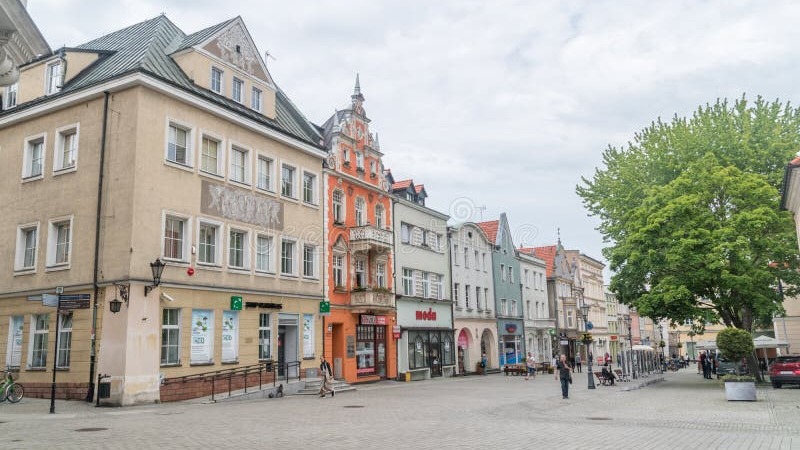
The initial challenge was sociological. Zielona Góra (1945–1975) was an “atomized” society. However, the emergence of the “post-war generation” marked a turning point. Better educated and with institutional aspirations, this new generation began to urbanize the local mentality. The friction between this new civic consciousness and the “political correctness” imposed by the system created the breeding ground for dissent. The transformation into a “politically subjective community” was slow and painful, but inevitable.
1956: The Symbolic Recovery of Space
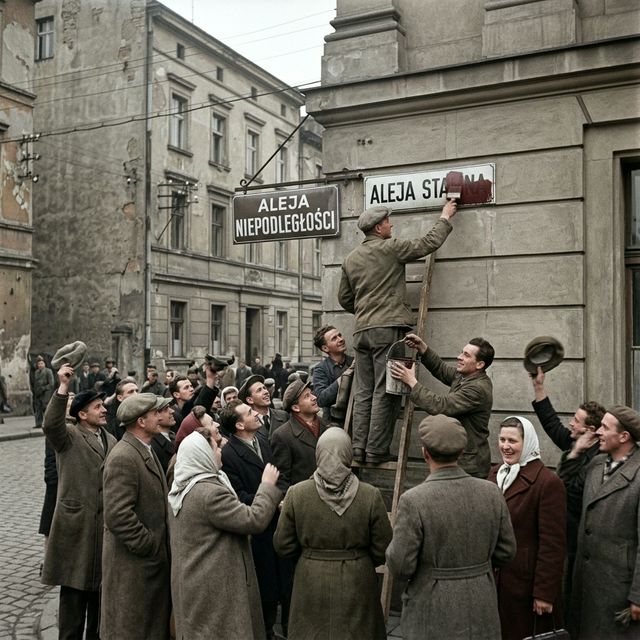
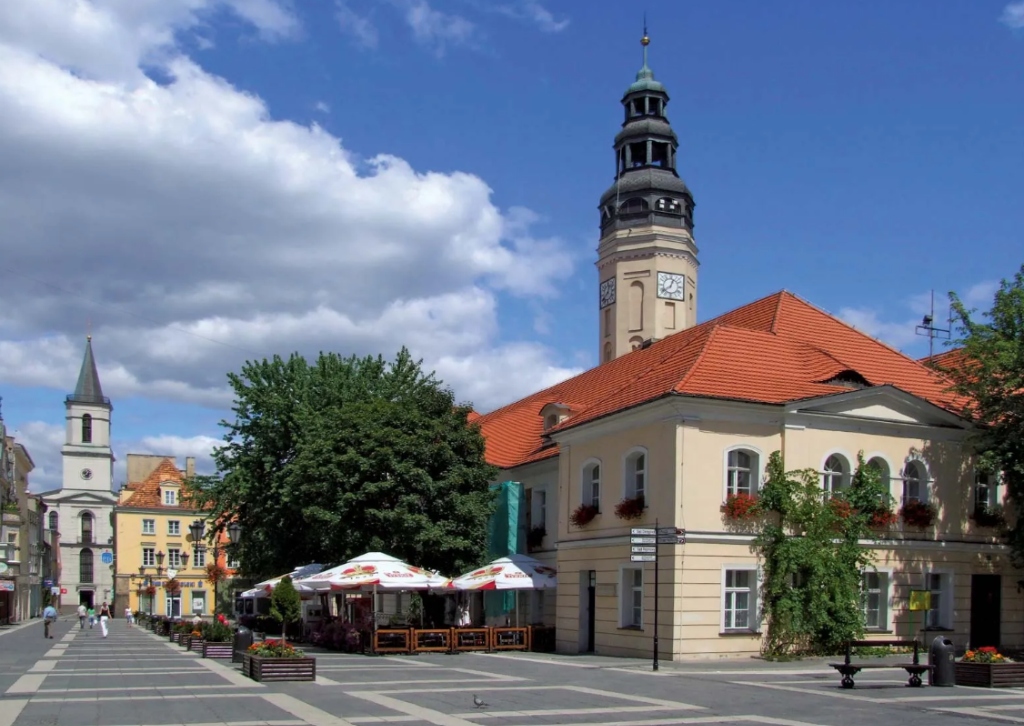
The ‘thaw’ of October 1956 brought an attempt to reclaim the city’s identity. A notable example was the removal of Stalin’s name from the map. The editors of the ‘Gazeta’ launched a public call to rename Stalin Avenue. In just two days, the avenue was renamed Aleja Niepodległości (Independence Avenue). This administrative act was one of the first collective victories of society to impose its own historical narrative over Soviet propaganda.
1960: The Bastion of Faith and Blackmail Tactics
The uprising of May 30, 1960, in defense of the Catholic House was the culmination of a war of attrition. Authorities attempted to neutralize the parish priest, Kazimierz Michalski, with blackmail: they promised the Church would recover the building if he reduced his “rebellious activity.” Michalski, a Dachau veteran, did not yield. The regime’s response was surgical: in addition to arrests, a “civil death” was applied through job dismissals and blacklists that forced entire families to leave the city.
The “Bibuła” and the Regional Information Network
Editorial resistance was sophisticated. Between 1981 and 1989, the region sustained an underground press network (“drugi obieg”) that spanned more than 19 titles. The network extended to satellite towns: Świebodzin (Podziemie, 1982), Nowa Sól (Solidarność Lubuska, 1983–1984), and Sulechów (RMS). These shadows bulletins countered the Party’s information monopoly and maintained the cohesion of Solidarity structures during their illegality.
The Battle for Consciences: The Parallel Classroom
The struggle in the 1980s became existential and moral. The Church and Catholic intellectuals created educational spaces to debate what the regime silenced. The figure of Father Bronisław Kotwica was key in transforming the mentality of the era. Clandestine conferences taught uncensored history and addressed “moral dilemmas” of life under communism, fostering a neighborly solidarity that the system attempted to erode.
Repression: “Loyalty” as a Weapon
Martial Law (Dec 13, 1981) activated Operation “Jodła” (Fir). The SB had a pre-compiled list of 43 targets. Repression included physical punishment (internment in Głogów and Ostrów Wielkopolski) and psychological pressure through “loyalty declarations” (lojalki) to break morale. Some activists avoided internment by signing, while others, like Czesław Stasiak, chose total clandestinity until 1982.
Internal Disputes: The Birth of the Structure
The formation of organized resistance was not devoid of internal conflict. Current historical documents debate the details regarding the formation of the Inter-Enterprise Founding Committee (MKZ) in Zielona Góra in the summer of 1980. Disputes among workers and advisors demonstrate that solidarity was a process of constant negotiation, not a monolithic block from the start.
Zielona Góra teaches us that even in a land without ancient traditions, the need for freedom creates its own roots. Between the silence of the pioneers and the scream of their children, a rebellious city was born.
Experience This Story On-Site
Walk the streets where this history unfolded with our GPS-guided audio tour.