
The Political Axis and the Paradox of Power
Listen in
Warsaw occupied a paradoxical and central position in the dialectics of the communist period (1945–1989). Rebuilt from the ashes of 1944, the capital emerged simultaneously as the administrative center of the regime—and thus the locus of the most sophisticated security apparatuses—and as the “primary laboratory” of organized political opposition. Its sociopolitical density turned it into a constant battlefield where confrontation with the State was direct and often brutal, hosting numerous opposition organizations, including those linked to the exile community.
The Genesis of Social Self-Defense: KOR
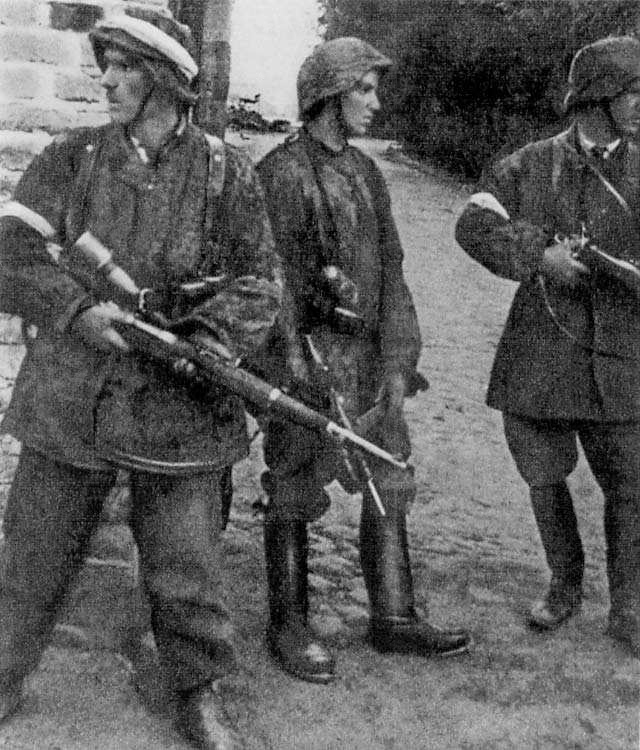
Resistance in the capital underwent a crucial paradigm shift in 1976. Following the violent pacification of workers’ protests in Radom and Ursus, a group of Warsaw intellectuals—notably Jacek Kuroń, Jan Józef Lipski, and Adam Michnik—founded the Workers’ Defense Committee (KOR). Breaking with the tradition of secret conspiracies, KOR adopted a strategy of “openness,” publishing the names and addresses of its members to challenge the State’s legitimacy. Their objective was not the seizure of power, but the reconstitution of civil society through “practical solidarity”: providing aid to the families of repressed workers.
The Nervous Heart of Solidarność
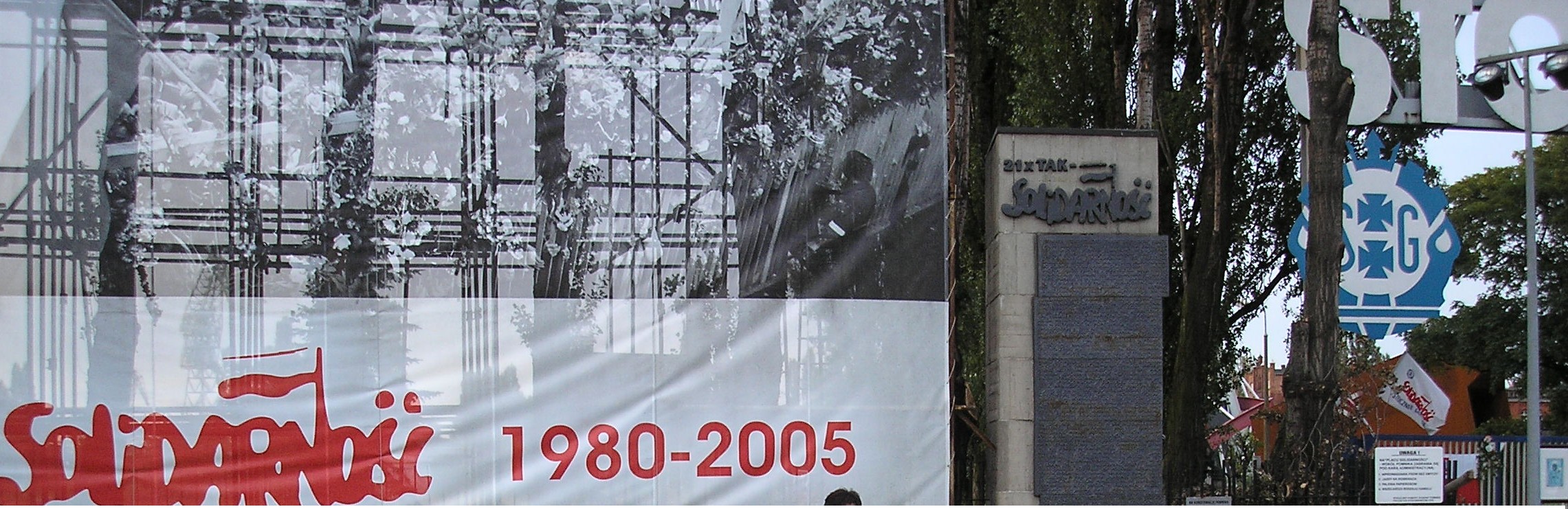
This infrastructure laid the ethical and organizational foundations for the birth of the Solidarność (Solidarity) trade union in 1980. Although symbolically founded at the Gdańsk Shipyard, Warsaw functioned as its nerve center for coordination, communication, and political pressure on the government. The city demonstrated its capacity for mass mobilization, acting as an engine of popular protest where workers openly defied the government.
The Battle for the Word: NOWA
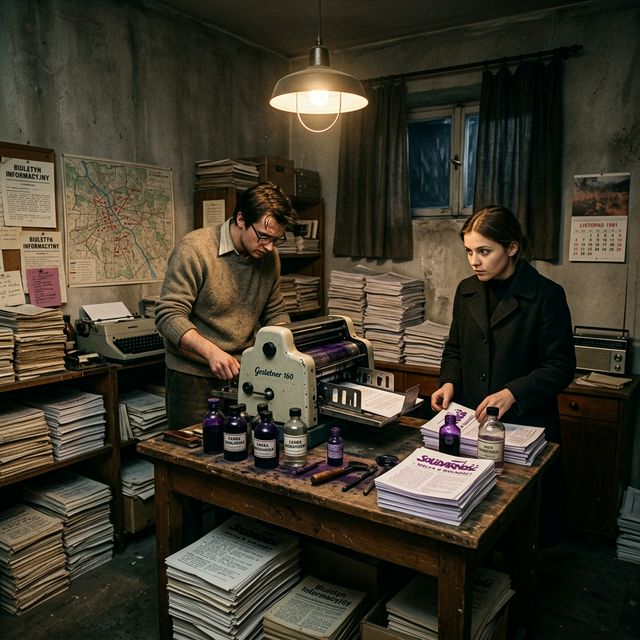
Warsaw was the epicenter of the drugi obieg (second circuit) of clandestine publications. The publishing house NOWA (Niezależna Oficyna Wydawnicza), founded in 1977 by figures like Mirosław Chojecki, operated as the largest underground publishing house in the Eastern Bloc. Production was decentralized across dozens of private apartments to prevent raids from dismantling the entire network. Hundreds of banned titles were published, breaking the state’s information monopoly.
Education as Resistance: The Flying University
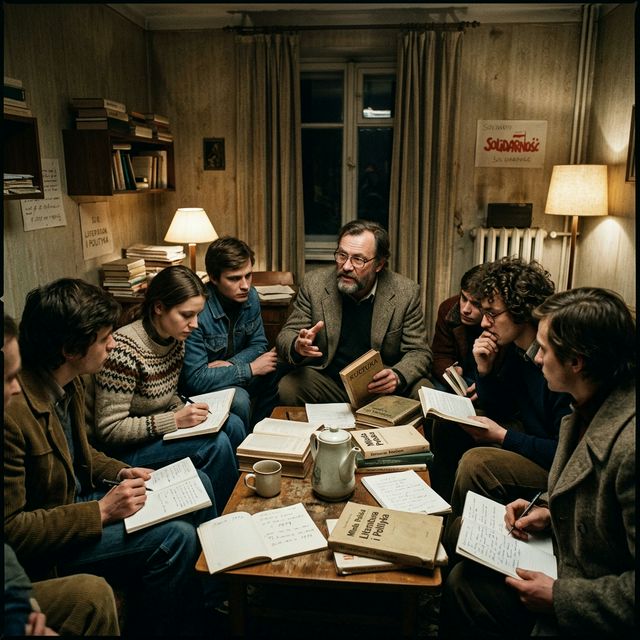
Faced with historical falsification, the opposition reactivated the tradition of the Flying University, formalized as the Society for Educational Courses (TKN). Lectures addressed the “blank spots” of official history: the Katyn massacre, the Ribbentrop-Molotov Pact, and the 1944 Uprising. Despite harassment by SB goon squads and arrests of lecturers like Władysław Bartoszewski, these spaces consolidated as bastions of intellectual freedom.
Innovation and Culture: Radio Solidarność
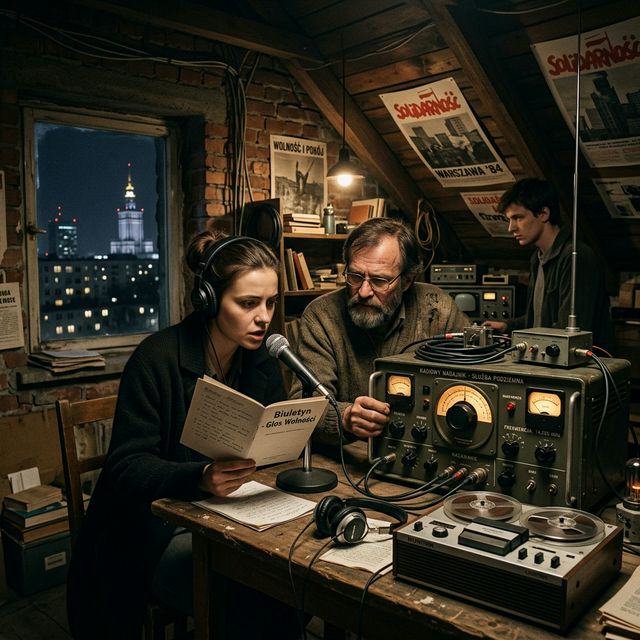
During martial law, Radio Solidarność broadcast bulletins via clandestine FM transmitters. The population acknowledged reception by blinking house lights in unison. In parallel, a 'home theater' movement flourished, and jazz consolidated its status as a metaphor for freedom. Despite intense surveillance by the SB, the spirit of resistance remained unbreakable.
It was in Warsaw that a fundamental strategic alliance crystallized, bridging historical divides: the union between the leftist intelligentsia and the Catholic Church to confront totalitarianism.
Experience This Story On-Site
Walk the streets where this history unfolded with our GPS-guided audio tour.