
The Forgotten May: When Zielona Góra vanished in tear gas.
By: Talking Cities Editorial Staff. Often, the history of Polish resistance against communism is narrated as a chronological leap. It jumps from the machine guns turned against workers and students in the streets of Poznań in June 1956 straight to the shipyard strikes in Gdańsk in 1970. However, within that fourteen-year vacuum lies a deep and frequently ignored rift. The defense of the Catholic House (Dom Katolicki) was an event that took place on May 30, 1960, in Zielona Góra—a city located in western Poland, about five hours from Warsaw. At the time, it had a population of just over 54,000 inhabitants. This historic moment was not a workers' strike for bread, but something more complex: a fierce defense of civil autonomy against a State attempting to claim total control over social life.
The Context
To understand this moment, it must be placed in its real context. Zielona Góra was not an isolated event, but rather the climax of an "iron spring" that had already seen outbreaks in Kraśnik and Nowa Huta just weeks earlier. The government of Władysław Gomułka, First Secretary of the Polish United Workers' Party (PZPR), had come to power in 1956 promising an era of peace. However, documents from the Institute of National Remembrance (IPN) reveal that this "Polish way to socialism" was, in reality, an authoritarian retreat disguised as reform. The Catholic House was not merely a brick building that the State wanted to nationalize under administrative excuses; it was a social center of gravity. With its theater halls and meeting spaces, it represented the last lung of a city that refused to be suffocated by official ideology. Its defense was, in essence, the first major battle for the right to the city and community property in post-war Poland.
A Tactical Laboratory
On May 30, nearly 5,000 citizens rose up against the Party's new order. It all began with a group of women blocking the building's entrance. What followed was an escalation that the regime utilized as a tactical laboratory. The events at the Catholic House in Zielona Góra served as the graduation ceremony for the ZOMO (Zmotoryzowane Odwody Milicji Obywatelskiej), created in 1956, turning it into a unit for social control and an arm of urban occupation, showcasing its strength in a completely disproportionate deployment: 1,300 units of chemical agents (the first massive deployment of tear gas used to suffocate an urban center), 5,000 participants (an overwhelming figure considering the city's demographics), and intense Workers' resistance. Although the trigger was religious, of the 333 people arrested, the vast majority were workers from local factories, not just church leaders. Class solidarity was activated to defend a space of freedom.
The First Dress Rehearsal
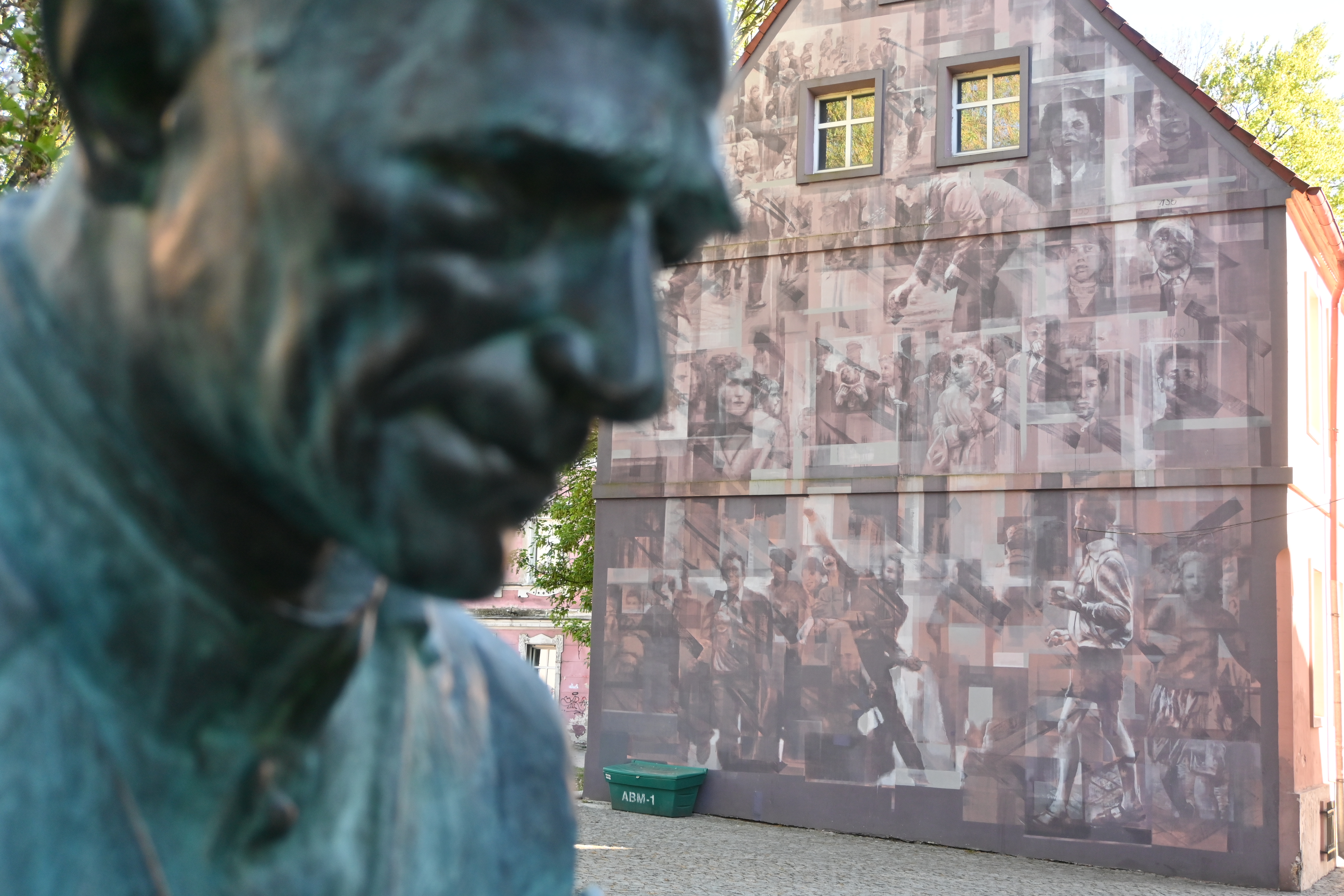
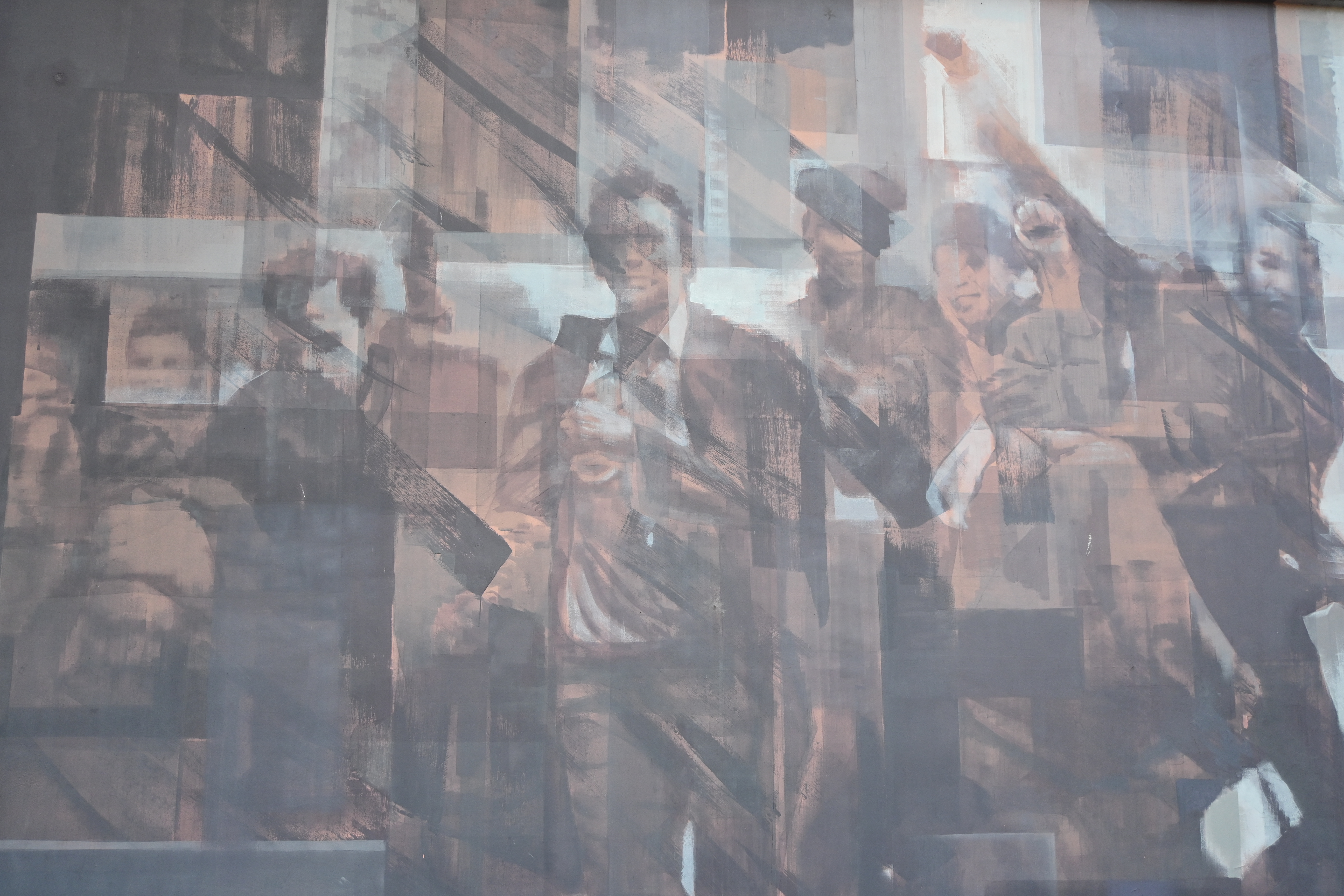
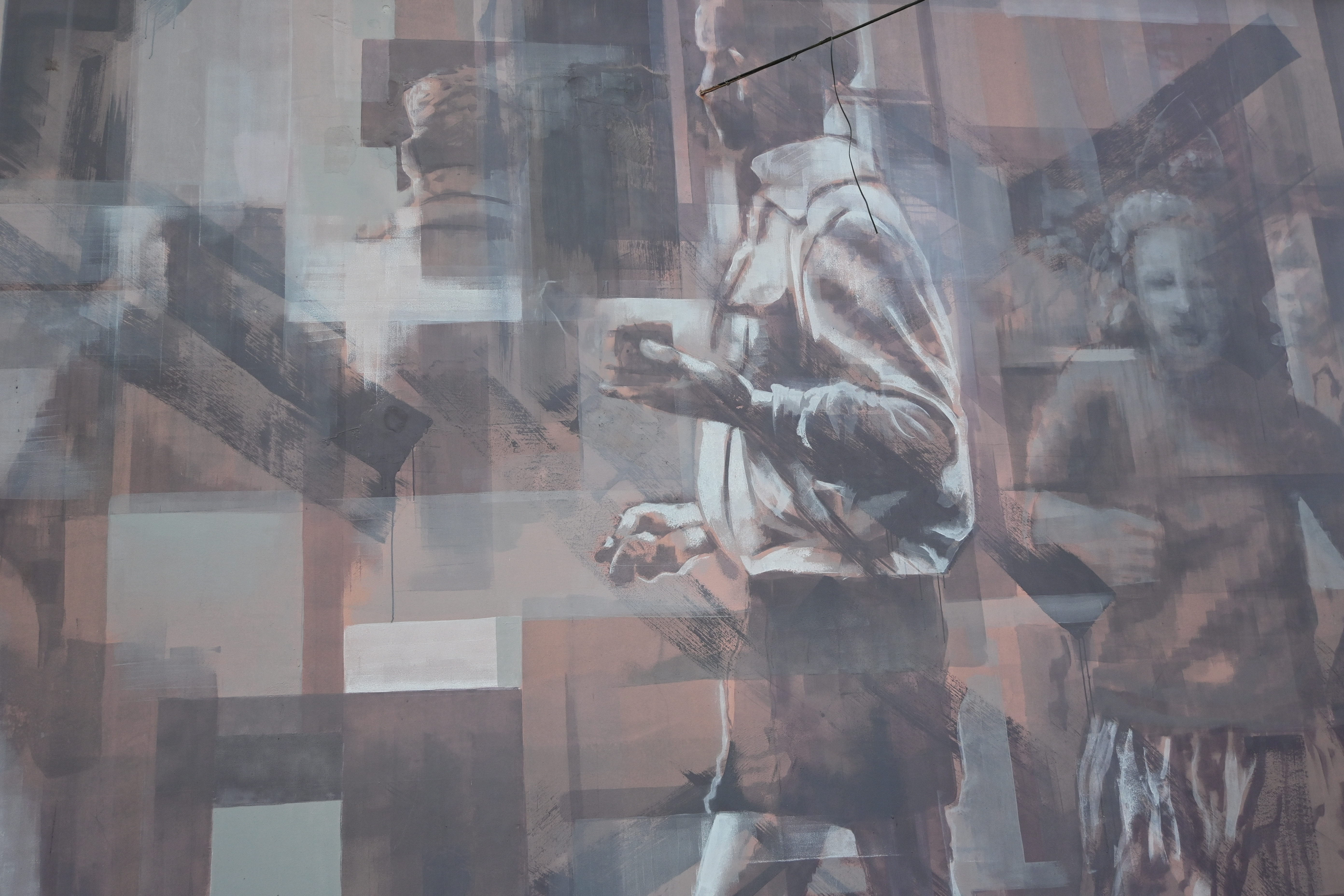
To strip the event of its political weight, authorities labeled the protesters as chuligani (hooligans or vandals). This framing, produced by the Polish United Workers' Party (PZPR), was no accident. By criminalizing the protest as street vandalism, the State attempted to erase its legitimacy. Prison sentences of up to five years did not seek to punish public disorder, but rather to send a clear message: the 1956 truce was officially over. The silence imposed for decades was proof of the regime's success—and its fear. What happened at the Catholic House in Zielona Góra in 1960 was the first dress rehearsal for modern repression. There, the regime discovered it could informationally isolate a city and crush dissent before it spread to the rest of the country. Today, looking at the symbolic mural or the monument to Father Kazimierz Michalski, the question for the inhabitant of a modern Europe is not just about faith, but about the ownership of public space. To whom does the city belong? In 1960, the citizens of Zielona Góra decided it did not belong to the Party, and they paid the price for remembering it.